
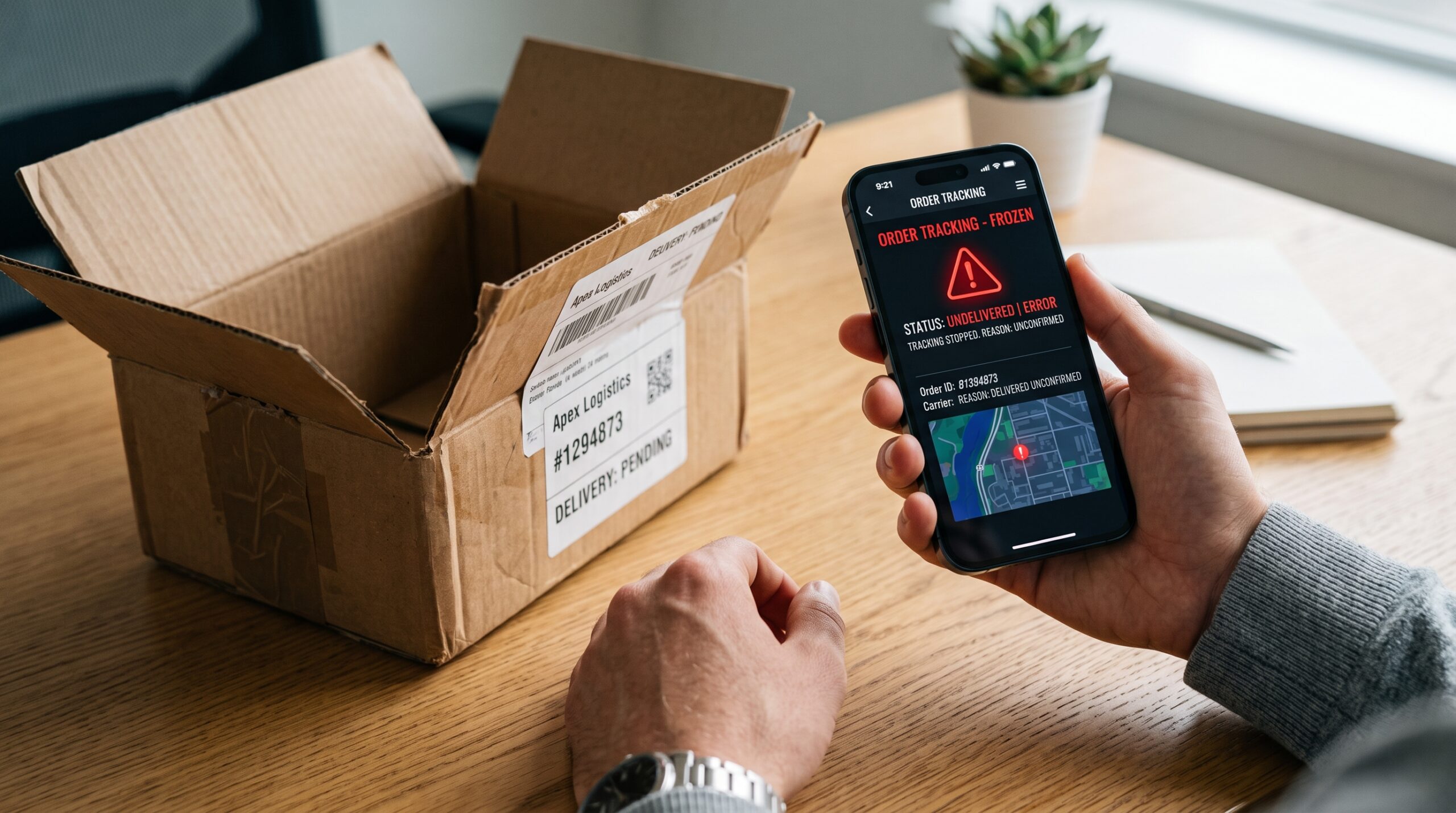
You click confirm on a hard-to-find item, watch the payment process successfully, and then wait. Days bleed into weeks, tracking links stay frozen on “shipping label created,” and the seller’s support email address bounces back with automated errors.
That frustrating realization that you’ve been scammed by a ghost storefront is a modern digital nightmare.
Countless online shoppers accept these losses as an expensive lesson in bad luck, assuming anonymous e-commerce sites operate beyond accountability. In reality, strict consumer protection frameworks, federal shipping mandates, and powerful banking dispute mechanisms give you absolute authority to fight back. Mastering how to document the fraud, leverage credit card protections, and trigger legal remedies transforms you from a silent victim into an empowered buyer.
Unmasking the Anatomy of E-Commerce Non-Delivery Scams
The Mechanics of Phantom Online Retailers
To dismantle online shopping fraud effectively, you must first understand how rogue storefronts operate across the web. Scam operators frequently deploy professional-looking websites advertised heavily on social media, utilizing stolen product photography and deeply discounted prices to lure impulsive buyers.
Once they capture your payment details, they either vanish entirely or string you along with fake tracking numbers until your chargeback window closes.
Why Ghost Storefronts Target Consumer Psychology
Fraudulent e-commerce sites rely heavily on engineered urgency and consumer hesitation to bypass your internal warning systems.
-
Too-Good-To-Be-True Pricing: Scammers dangle steep, clearance-level discounts on high-demand tech, apparel, or tools, blinding buyers to a complete lack of verified business credentials.
-
The Tracking Number Ruse: Many fraudulent vendors mail a cheap, lightweight trinket or an empty envelope to a completely different address in your zip code just to generate a valid “delivered” tracking status for payment processors.
-
Exhaustion by Support Loops: When you ask about delays, automated customer service desks respond with endless excuses regarding supply chain disruptions or customs holdups to buy time.
Expert Insight: Think of phantom e-commerce sites as digital pop-up booths. They burn through domains and merchant accounts rapidly, meaning your speed of response is your greatest financial weapon.
The Legal Baseline: Your Rights Under Federal Shipping Rules
Holding Vendors Accountable for Delivery Timelines
Many consumers assume that once an online merchant has their money, the delivery timeline is entirely at the seller’s discretion. Fortunately, regulatory bodies like the Federal Trade Commission enforce strict standards protecting buyers from endless delays and non-delivery.
The Mail, Internet, or Telephone Order Merchandise Rule sets clear legal boundaries that e-commerce operators must follow.
Core Legal Protections for Delayed and Missing Orders
Familiarizing yourself with these federal requirements gives you immense leverage when demanding a full refund.
-
The 30-Day Default Window: If a seller does not explicitly state a specific shipping timeframe at the time of purchase, federal law dictates that they must ship your order within 30 days.
-
Mandatory Delay Notification: If a merchant realizes they cannot meet the promised shipping window, they must notify you immediately and offer you the explicit choice to cancel for a full refund or consent to a specific new date.
-
Automatic Cancellation Rights: If you do not affirmatively consent to an extended shipping delay, the merchant is legally required to cancel the transaction and issue a prompt, full refund.
Immediate Action Steps: Building an Irrefutable Evidence Package
Transitioning From Panic to Forensic Documentation
When an e-commerce order fails to arrive and the seller stops responding, your immediate reaction should be comprehensive evidence gathering. Rogue merchants bank on the fact that most victims will clear their browser history and forget about the transaction out of frustration.
Constructing a clean, time-stamped paper trail is essential for winning a bank dispute or regulatory complaint.
Securing Verifiable Digital Proof
Capturing undeniable evidence requires methodical organization before you lose access to order portals.
-
Archive the Order Confirmation: Save the original receipt email, order identification number, item descriptions, and the exact advertised shipping promises.
-
Log Communication Histories: Screenshot every email exchange, live chat transcript, and social media message thread where you attempted to resolve the missing delivery with the seller.
-
Document Tracking Anomalies: Capture high-resolution screenshots of the carrier tracking page showing frozen updates or mismatched delivery locations.
Expert Insight: Always pull a full PDF printout of the checkout page and terms of service if you suspect a scam. Shady websites frequently alter their terms or delete contact pages overnight.
Leveraging Credit Card Chargebacks to Recover Your Funds
Turning Your Bank Into an Aggressive Enforcer
If a merchant ignores your refund requests or refuses to ship your purchased items, you possess a powerful financial remedy: the credit card chargeback. Major credit card networks and federal billing protection acts empower you to dispute transactions for goods that were paid for but never delivered.
Initiating a chargeback forces the payment processor to freeze the disputed funds and pull them directly out of the merchant’s reserve account.
Navigating the Dispute Window Successfully
Executing a successful payment reversal requires strict adherence to banking protocols and deadlines.
-
Respect the 60-Day Clock: File your billing error or non-delivery dispute within 60 days of the statement date on which the fraudulent charge first appeared.
-
Submit Your Evidence Package: Upload your order confirmation, communication logs, and tracking screenshots directly through your banking portal to substantiate your claim.
-
Provisional Credit Relief: While your financial institution investigates the ghost vendor, they will issue a temporary credit to your balance, shifting the financial burden away from you.
Escalating Fraud Reports to Consumer Protection Agencies

Multiplying Pressure Through Regulatory Channels
When an online store engages in systematic, widespread non-delivery fraud affecting hundreds of buyers, individual chargebacks are only part of the solution. If a merchant operates a predatory storefront, reporting the fraud to federal and state consumer watchdogs is vital for shutting down their payment gateways permanently.
Regulatory agencies use consumer data to coordinate with law enforcement and dismantle international scam networks.
Engaging External Oversight Authorities
Directing your evidence to the right regulatory bodies amplifies consumer protection enforcement.
-
File Federal Fraud Reports: Submit detailed incident reports to the Federal Trade Commission via their dedicated online reporting portal to flag fraudulent e-commerce infrastructure.
-
State Attorney General Complaints: Contact your state’s consumer protection division, as state coalitions frequently investigate deceptive online retailers and issue public warnings.
-
Report Payment Processors: If a scam merchant used standard checkout tools like Shopify, PayPal, or Stripe, submit an abuse report directly to the platform hosting their store or processing their payments.
FAQ
1. What should I do first if my online shopping order never arrives?
First, check your tracking information and contact the seller directly in writing to request a status update or refund. If the seller fails to respond within a reasonable timeframe, or if tracking shows fraudulent delivery, prepare to dispute the charge through your bank.
2. How long does an online seller legally have to ship my order?
Under FTC rules, if an online merchant does not specify a delivery timeframe in their advertising, they are legally required to ship your merchandise within 30 days of receiving your completed order and payment.
3. Can I get a refund if a scammer sends a tiny fake item instead of my order?
Yes. Receiving a cheap trinket or an empty envelope instead of the actual product is a common delivery scam tactic designed to fake tracking records. You can dispute this transaction with your credit card issuer under rules covering items not delivered as agreed or material misrepresentation.
4. How do I dispute a missing online order with my credit card company?
Contact your card issuer or log into your banking app to file a chargeback for non-delivery or billing errors. Provide your order confirmation, communication history with the seller, and tracking records within 60 days of the statement date.
5. Where can I report an online shopping scam or fraudulent website?
You can report fraudulent e-commerce operations to federal trade watchdogs at ReportFraud.ftc.gov, your state attorney general’s office, and the Internet Crime Complaint Center (IC3) to help investigators track and shut down illegal online retailers.
Conclusion
Online shopping fraud and phantom e-commerce orders are designed to exploit consumer trust and banking friction. By documenting missing shipments, understanding federal shipping rules, utilizing credit card chargebacks, and reporting bad actors to regulatory agencies, you take back control of your financial security. Audit your recent deliveries today, challenge missing items immediately, and support transparent businesses that prioritize customer safety.
Leave a Reply